Linking Kenya’s Warehouse Receipt System Experience to Regional Structured Trade Development
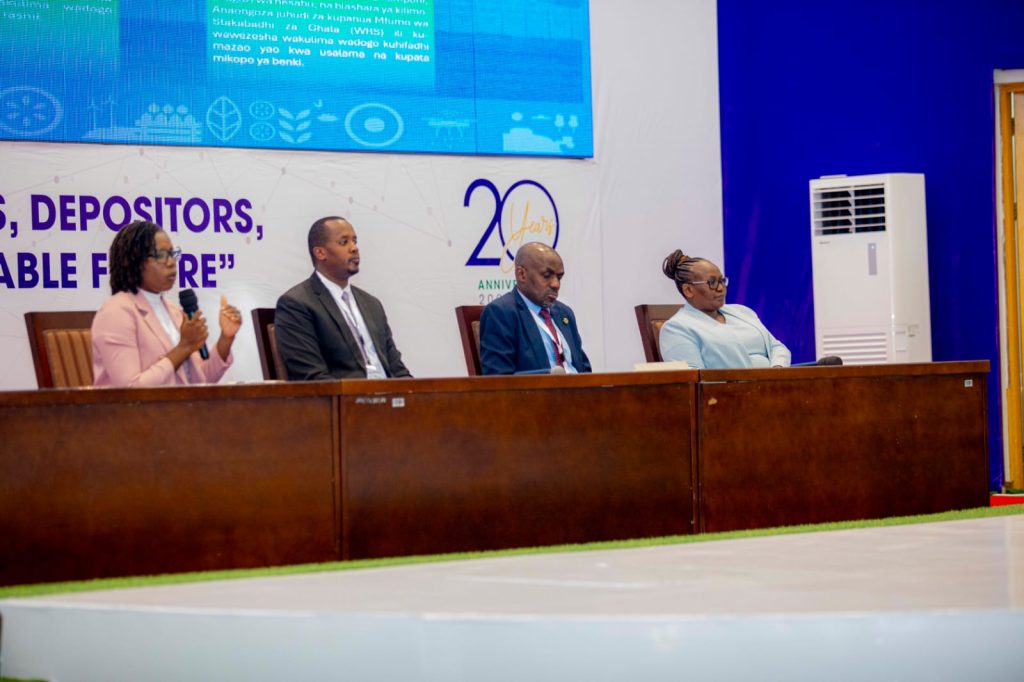
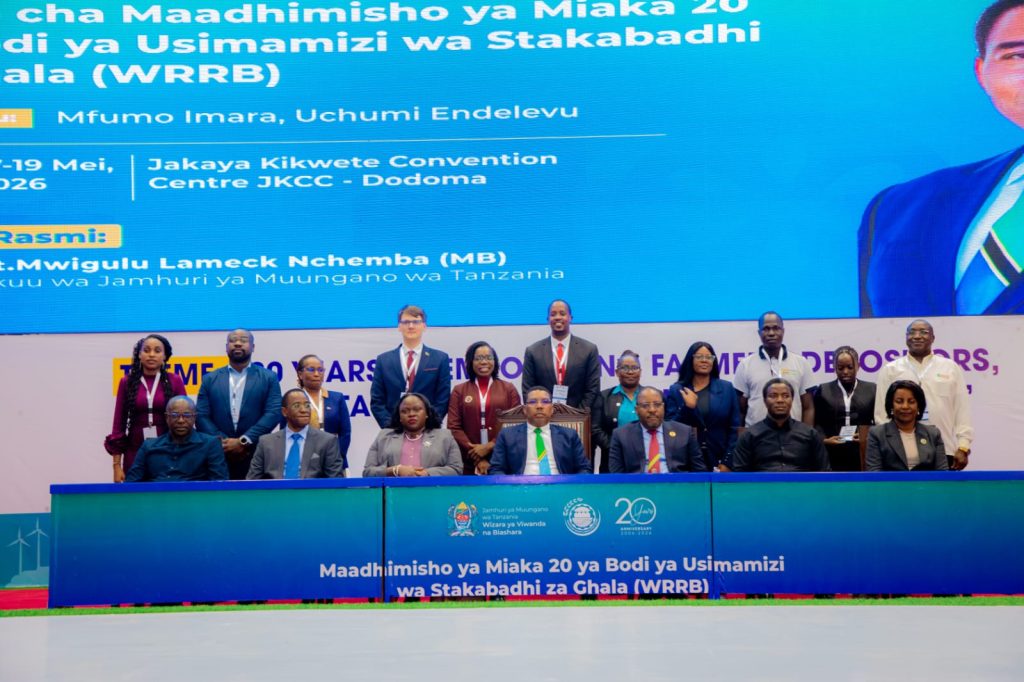
Regional stakeholders convened in Dodoma, Tanzania, to commemorate 20 years of Warehouse Receipt System (WRS) implementation under the Warehouse Receipt Regulatory Board (WRRB), bringing together regulators, commodity exchange actors, financial institutions, warehouse operators, farmers, and development partners to advance discussions on structured agricultural trade systems across Africa.
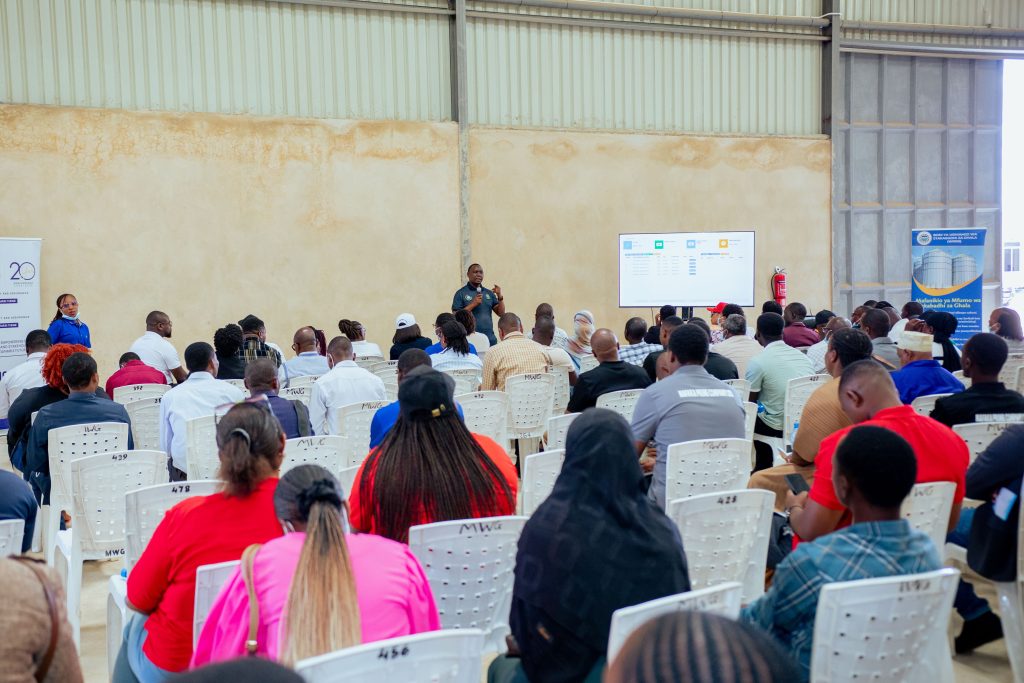
The engagements provided participants with an opportunity to interact with farmers, warehouse operators, and market actors, while also observing commodity trading activities facilitated through the Tanzania Mercantile Exchange (TMX) involving commodities stored in certified warehouses. The forum highlighted Tanzania’s significant progress in market formalization, structured commodity trading, and agricultural commercialization through an established Warehouse Receipt System framework.
Kenya’s evolving WRS ecosystem equally presents valuable lessons for regional structured trade development. The country’s experience demonstrates the importance of strong regulatory frameworks, private sector participation, financial sector confidence, and alignment between commodity market systems and national agricultural transformation priorities.
Discussions during the forum emphasized the need for harmonized standards for warehouses, commodities, and warehouse receipt recognition across the region. Such harmonization remains critical in supporting regional and continental trade integration frameworks, including the Common Market for Eastern and Southern Africa (COMESA), East African Community, Southern African Development Community, and the African Continental Free Trade Area.
As one of the region’s leading trade and logistics hubs, Kenya continues to play a strategic role in facilitating cross-border commodity flows and strengthening regional food systems. Kenya’s WRS experience can contribute significantly to harmonized warehouse receipt systems, commodity exchange integration, regional standards development, and enhanced agricultural trade competitiveness across Africa.
The engagements further reinforced the growing importance of warehouse receipts as credible collateral instruments for unlocking agricultural finance. Collaboration among regulators, financial institutions, commodity exchanges, development partners, and market actors continues to support innovative financing mechanisms that promote inclusive agricultural growth, market efficiency, and rural economic transformation.
As Tanzania marks two decades of WRS implementation, deeper collaboration among institutions such as Warehouse Receipt Regulatory Board (WRRB), Agricultural Commodity Exchange for Africa (ACE Malawi), Zambia Agricultural Commodities Exchange (ZAMACE), East Africa Exchange (EAX Rwanda), and Warehouse Receipt System Council (WRSC Kenya) presents a significant opportunity to accelerate structured trade transformation across the continent.
Enhanced regional cooperation can support harmonized standards, expanded digital trade ecosystems, strengthened market confidence, and increased intra-African agricultural trade under the AfCFTA agenda.
The inclusion of Kenya’s WRS experience within the regional forum not only enriches technical discussions but also reinforces the importance of regional alignment in building resilient, transparent, and inclusive agricultural market systems for the future.