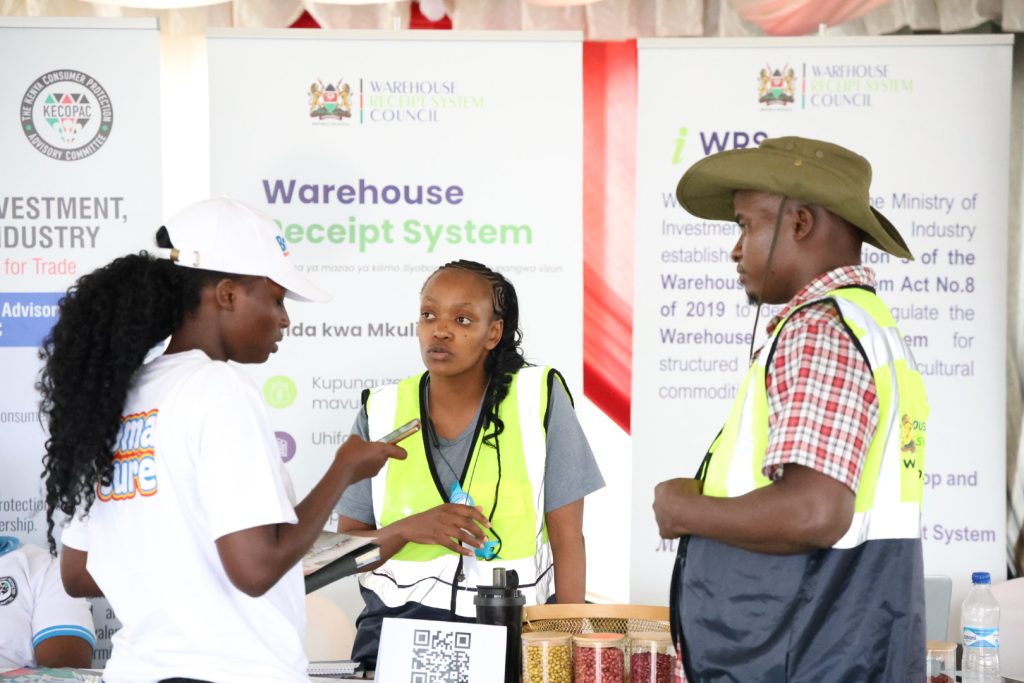
WRSC Advances Awareness and Stakeholder Engagement at 2026 Kisumu ASK Show
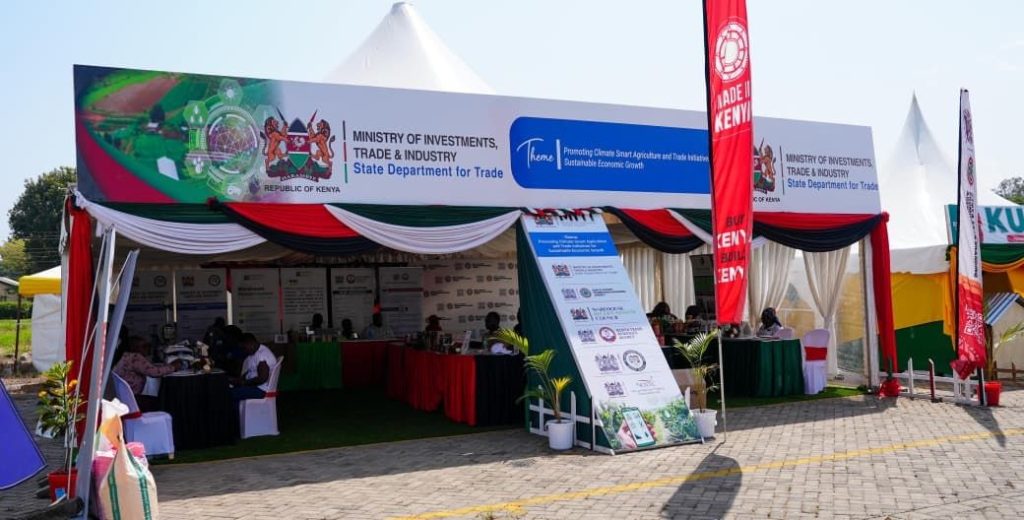
The 2026 National ASK Show in Kisumu brought together stakeholders from across the agricultural and trade sectors to explore solutions for climate resilience, market access and sustainable economic growth. Held at the Mamboleo Showground under the theme “Promoting Climate-Smart Agriculture and Trade Initiatives for Sustainable Economic Growth,”
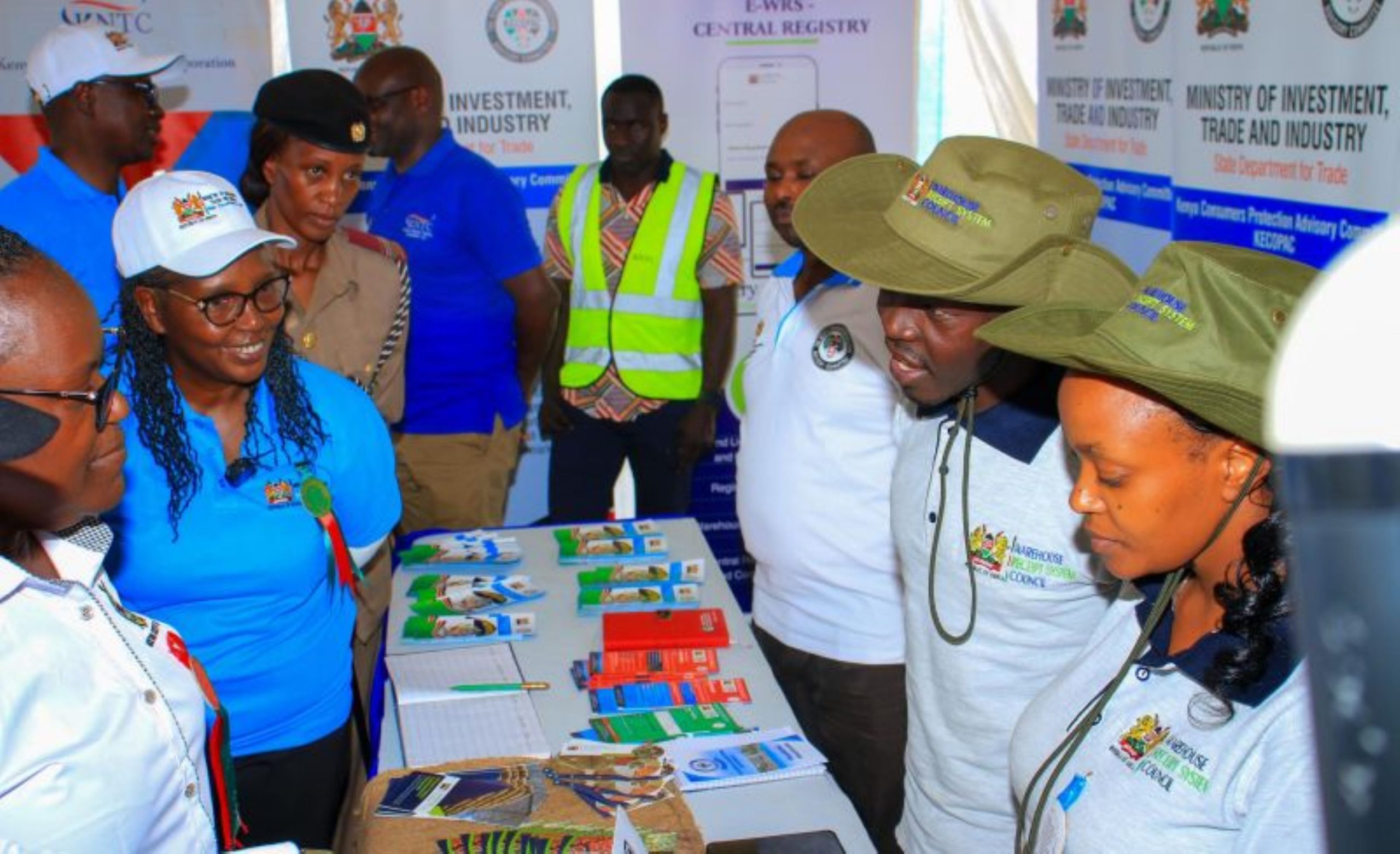
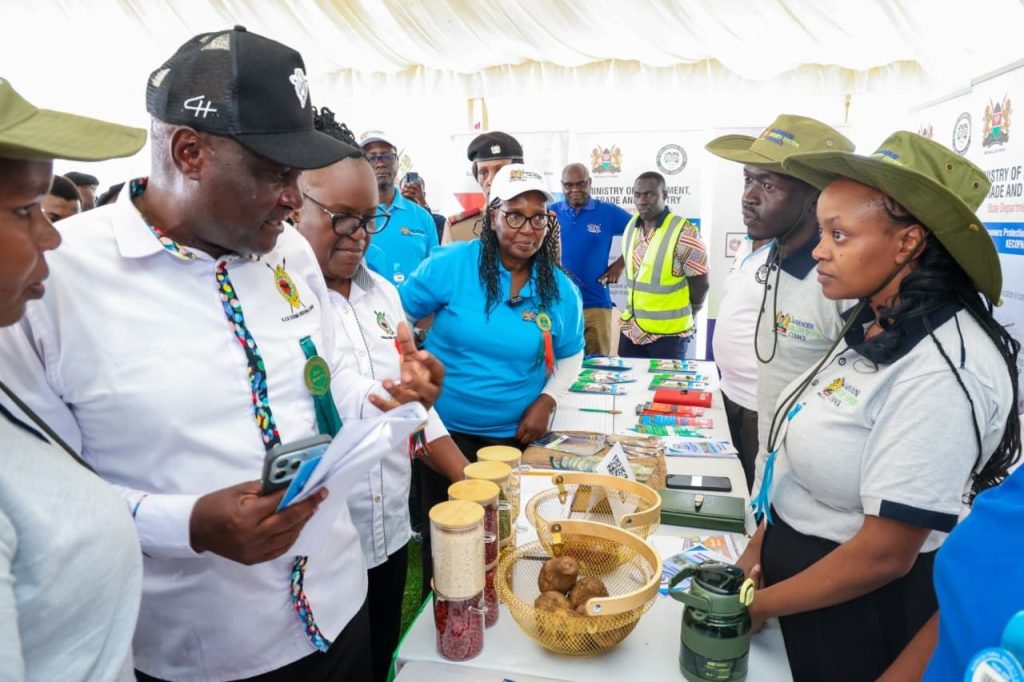
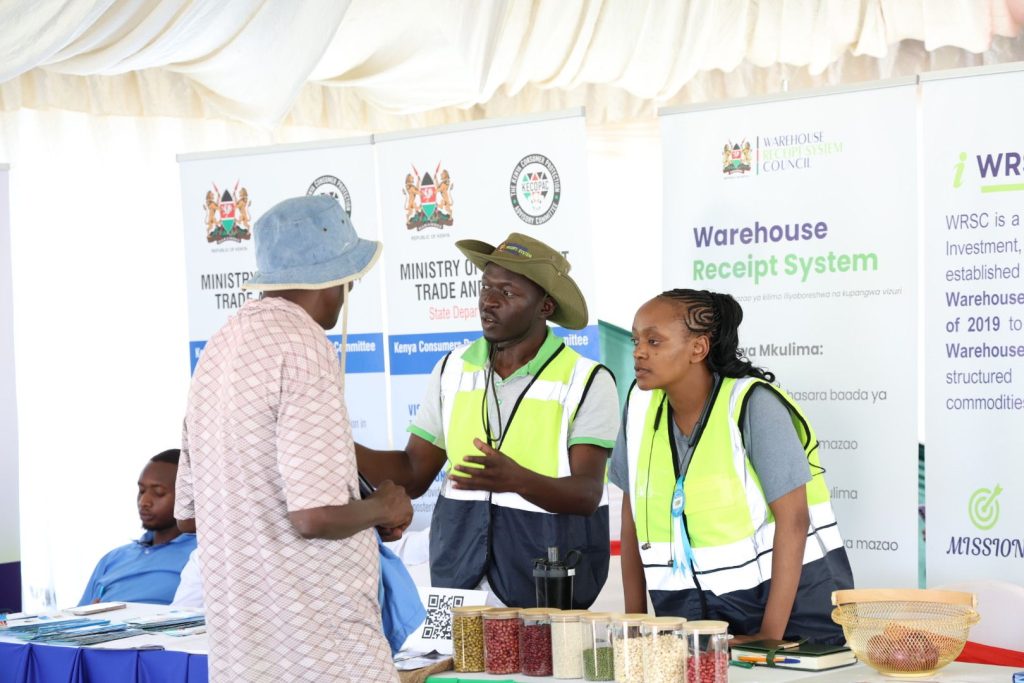
The event provided the WRSC with a strategic platform to engage farmers, potential warehouse operators, financial institutions, traders, partners and other value-chain stakeholders on the opportunities presented by the WRS. The Council showcased how the WRS can support better storage, unlock access to finance, strengthen structured markets and contribute to sustainable growth across agricultural value chains.
The event was presided over by the Principal Secretary for Trade, Ms. Regina Ombam, who visited the Council’s exhibition stand alongside national and county government officials. The engagement highlighted the role of innovative trade initiatives, including warehouse receipt financing, in unlocking greater opportunities for farmers and other value-chain actors.
In her keynote address, the Principal Secretary highlighted the connection between climate-smart agriculture, the Blue Economy and trade as drivers of sustainable economic growth. She reaffirmed the State Department for Trade’s commitment to expanding market access through trade agreements, including the Kenya–European Union Economic Partnership Agreement and the African Continental Free Trade Area (AfCFTA), while advancing value addition and inclusive opportunities for farmers, fishers, SMEs, women and youth. She further emphasized the importance of enabling Kisumu and the wider Lake Region to fully tap regional and international markets to boost exports, create jobs and enhance prosperity.
For WRSC, the show reinforced the growing importance of partnerships and stakeholder engagement in advancing structured agricultural trade. Through the WRS, farmers and value-chain actors can move beyond traditional market constraints and connect production to better storage, financing and more organized markets.